
Source: Original source
The future of effective bunkai lies in integrating more realistic drills. Dojos should incorporate scenario-based training where attackers behave unpredictably, using forceful, non-standard attacks. Practitioners must learn to identify and exploit openings created by natural human aggression, not just textbook techniques. This evolution requires instructors to step outside traditional kumite parameters and emphasize functional application over perfect form in isolation.
Furthermore, cross-training disciplines known for realistic self-defense, like Krav Maga or Brazilian Jiu-Jitsu, can provide invaluable insights. While a quality karate gi is essential for practice, the mindset gained from varied training methods is even more crucial. The focus should shift from “winning the fight” to “surviving the encounter,” prioritizing evasion, de-escalation where possible, and overwhelming force only when absolutely necessary. This holistic approach ensures bunkai remains a vital tool for genuine self-protection in an unpredictable world.
Source: Original source
Related: Best BJJ Gi · More Karate News · Shop
TATSU WEAR covers martial arts because we live it. Explore Karate News
Source: Original source
What’s Next: Evolving Bunkai Practice
The future of effective bunkai lies in integrating more realistic drills. Dojos should incorporate scenario-based training where attackers behave unpredictably, using forceful, non-standard attacks. Practitioners must learn to identify and exploit openings created by natural human aggression, not just textbook techniques. This evolution requires instructors to step outside traditional kumite parameters and emphasize functional application over perfect form in isolation.
Furthermore, cross-training disciplines known for realistic self-defense, like Krav Maga or Brazilian Jiu-Jitsu, can provide invaluable insights. While a quality karate gi is essential for practice, the mindset gained from varied training methods is even more crucial. The focus should shift from “winning the fight” to “surviving the encounter,” prioritizing evasion, de-escalation where possible, and overwhelming force only when absolutely necessary. This holistic approach ensures bunkai remains a vital tool for genuine self-protection in an unpredictable world.
Source: Original source
Related: Best BJJ Gi · More Karate News · Shop
TATSU WEAR covers martial arts because we live it. Explore Karate News
Source: Original source
Ultimately, the goal is to make bunkai training dynamic, adaptable, and grounded in the messy realities of conflict. This means embracing the chaos and interpreting kata not as a rigid sequence against a known attack, but as a source of principles for handling unpredictable aggression. For more diverse perspectives, explore discussions in our Karate News section.
What’s Next: Evolving Bunkai Practice
The future of effective bunkai lies in integrating more realistic drills. Dojos should incorporate scenario-based training where attackers behave unpredictably, using forceful, non-standard attacks. Practitioners must learn to identify and exploit openings created by natural human aggression, not just textbook techniques. This evolution requires instructors to step outside traditional kumite parameters and emphasize functional application over perfect form in isolation.
Furthermore, cross-training disciplines known for realistic self-defense, like Krav Maga or Brazilian Jiu-Jitsu, can provide invaluable insights. While a quality karate gi is essential for practice, the mindset gained from varied training methods is even more crucial. The focus should shift from “winning the fight” to “surviving the encounter,” prioritizing evasion, de-escalation where possible, and overwhelming force only when absolutely necessary. This holistic approach ensures bunkai remains a vital tool for genuine self-protection in an unpredictable world.
Source: Original source
Related: Best BJJ Gi · More Karate News · Shop
TATSU WEAR covers martial arts because we live it. Explore Karate News
Source: Original source
This requires a mindset shift from “defending a punch” to “controlling space and disrupting an aggressor’s balance and intentions.” It demands pressure testing techniques against resistance and unpredictability, moving beyond cooperative partner drills. Resources like the Best BJJ Gi Guide highlight the importance of practical gear for realistic training, emphasizing that tools and methods must support functional application.
Ultimately, the goal is to make bunkai training dynamic, adaptable, and grounded in the messy realities of conflict. This means embracing the chaos and interpreting kata not as a rigid sequence against a known attack, but as a source of principles for handling unpredictable aggression. For more diverse perspectives, explore discussions in our Karate News section.
What’s Next: Evolving Bunkai Practice
The future of effective bunkai lies in integrating more realistic drills. Dojos should incorporate scenario-based training where attackers behave unpredictably, using forceful, non-standard attacks. Practitioners must learn to identify and exploit openings created by natural human aggression, not just textbook techniques. This evolution requires instructors to step outside traditional kumite parameters and emphasize functional application over perfect form in isolation.
Furthermore, cross-training disciplines known for realistic self-defense, like Krav Maga or Brazilian Jiu-Jitsu, can provide invaluable insights. While a quality karate gi is essential for practice, the mindset gained from varied training methods is even more crucial. The focus should shift from “winning the fight” to “surviving the encounter,” prioritizing evasion, de-escalation where possible, and overwhelming force only when absolutely necessary. This holistic approach ensures bunkai remains a vital tool for genuine self-protection in an unpredictable world.
Source: Original source
Related: Best BJJ Gi · More Karate News · Shop
TATSU WEAR covers martial arts because we live it. Explore Karate News
Source: Original source
- Uncommitted, aggressive pushes and shoves
- Grabbing attacks (clothes, hair, limbs)
- Close-range strikes (punches, elbows, headbutts)
- Weapon threats (blunt objects, edged weapons)
- Multiple attackers
- Ground fighting scenarios
- Surprise ambushes
This requires a mindset shift from “defending a punch” to “controlling space and disrupting an aggressor’s balance and intentions.” It demands pressure testing techniques against resistance and unpredictability, moving beyond cooperative partner drills. Resources like the Best BJJ Gi Guide highlight the importance of practical gear for realistic training, emphasizing that tools and methods must support functional application.
Ultimately, the goal is to make bunkai training dynamic, adaptable, and grounded in the messy realities of conflict. This means embracing the chaos and interpreting kata not as a rigid sequence against a known attack, but as a source of principles for handling unpredictable aggression. For more diverse perspectives, explore discussions in our Karate News section.
What’s Next: Evolving Bunkai Practice
The future of effective bunkai lies in integrating more realistic drills. Dojos should incorporate scenario-based training where attackers behave unpredictably, using forceful, non-standard attacks. Practitioners must learn to identify and exploit openings created by natural human aggression, not just textbook techniques. This evolution requires instructors to step outside traditional kumite parameters and emphasize functional application over perfect form in isolation.
Furthermore, cross-training disciplines known for realistic self-defense, like Krav Maga or Brazilian Jiu-Jitsu, can provide invaluable insights. While a quality karate gi is essential for practice, the mindset gained from varied training methods is even more crucial. The focus should shift from “winning the fight” to “surviving the encounter,” prioritizing evasion, de-escalation where possible, and overwhelming force only when absolutely necessary. This holistic approach ensures bunkai remains a vital tool for genuine self-protection in an unpredictable world.
Source: Original source
Related: Best BJJ Gi · More Karate News · Shop
TATSU WEAR covers martial arts because we live it. Explore Karate News
Source: Original source
To move past flawed assumptions, practitioners must actively explore bunkai scenarios reflecting real violence. This means analyzing kata against:
- Uncommitted, aggressive pushes and shoves
- Grabbing attacks (clothes, hair, limbs)
- Close-range strikes (punches, elbows, headbutts)
- Weapon threats (blunt objects, edged weapons)
- Multiple attackers
- Ground fighting scenarios
- Surprise ambushes
This requires a mindset shift from “defending a punch” to “controlling space and disrupting an aggressor’s balance and intentions.” It demands pressure testing techniques against resistance and unpredictability, moving beyond cooperative partner drills. Resources like the Best BJJ Gi Guide highlight the importance of practical gear for realistic training, emphasizing that tools and methods must support functional application.
Ultimately, the goal is to make bunkai training dynamic, adaptable, and grounded in the messy realities of conflict. This means embracing the chaos and interpreting kata not as a rigid sequence against a known attack, but as a source of principles for handling unpredictable aggression. For more diverse perspectives, explore discussions in our Karate News section.
What’s Next: Evolving Bunkai Practice
The future of effective bunkai lies in integrating more realistic drills. Dojos should incorporate scenario-based training where attackers behave unpredictably, using forceful, non-standard attacks. Practitioners must learn to identify and exploit openings created by natural human aggression, not just textbook techniques. This evolution requires instructors to step outside traditional kumite parameters and emphasize functional application over perfect form in isolation.
Furthermore, cross-training disciplines known for realistic self-defense, like Krav Maga or Brazilian Jiu-Jitsu, can provide invaluable insights. While a quality karate gi is essential for practice, the mindset gained from varied training methods is even more crucial. The focus should shift from “winning the fight” to “surviving the encounter,” prioritizing evasion, de-escalation where possible, and overwhelming force only when absolutely necessary. This holistic approach ensures bunkai remains a vital tool for genuine self-protection in an unpredictable world.
Source: Original source
Related: Best BJJ Gi · More Karate News · Shop
TATSU WEAR covers martial arts because we live it. Explore Karate News
Source: Original source
The Details: Beyond Kumite Assumptions
To move past flawed assumptions, practitioners must actively explore bunkai scenarios reflecting real violence. This means analyzing kata against:
- Uncommitted, aggressive pushes and shoves
- Grabbing attacks (clothes, hair, limbs)
- Close-range strikes (punches, elbows, headbutts)
- Weapon threats (blunt objects, edged weapons)
- Multiple attackers
- Ground fighting scenarios
- Surprise ambushes
This requires a mindset shift from “defending a punch” to “controlling space and disrupting an aggressor’s balance and intentions.” It demands pressure testing techniques against resistance and unpredictability, moving beyond cooperative partner drills. Resources like the Best BJJ Gi Guide highlight the importance of practical gear for realistic training, emphasizing that tools and methods must support functional application.
Ultimately, the goal is to make bunkai training dynamic, adaptable, and grounded in the messy realities of conflict. This means embracing the chaos and interpreting kata not as a rigid sequence against a known attack, but as a source of principles for handling unpredictable aggression. For more diverse perspectives, explore discussions in our Karate News section.
What’s Next: Evolving Bunkai Practice
The future of effective bunkai lies in integrating more realistic drills. Dojos should incorporate scenario-based training where attackers behave unpredictably, using forceful, non-standard attacks. Practitioners must learn to identify and exploit openings created by natural human aggression, not just textbook techniques. This evolution requires instructors to step outside traditional kumite parameters and emphasize functional application over perfect form in isolation.
Furthermore, cross-training disciplines known for realistic self-defense, like Krav Maga or Brazilian Jiu-Jitsu, can provide invaluable insights. While a quality karate gi is essential for practice, the mindset gained from varied training methods is even more crucial. The focus should shift from “winning the fight” to “surviving the encounter,” prioritizing evasion, de-escalation where possible, and overwhelming force only when absolutely necessary. This holistic approach ensures bunkai remains a vital tool for genuine self-protection in an unpredictable world.
Source: Original source
Related: Best BJJ Gi · More Karate News · Shop
TATSU WEAR covers martial arts because we live it. Explore Karate News
Source: Original source
Addressing this isn’t about discarding bunkai, but about evolving its application. Recognizing that natural attacks are often clumsy, close-range, and involve grabbing or pushing forces practitioners to interpret kata movements differently. Blocks become controlling limbs, strikes become counters off-balance, and stances become platforms for movement rather than static targets. This shift in perspective is crucial for bridging the reality gap and ensuring kata practice remains relevant to modern self-defense needs.
The Details: Beyond Kumite Assumptions
To move past flawed assumptions, practitioners must actively explore bunkai scenarios reflecting real violence. This means analyzing kata against:
- Uncommitted, aggressive pushes and shoves
- Grabbing attacks (clothes, hair, limbs)
- Close-range strikes (punches, elbows, headbutts)
- Weapon threats (blunt objects, edged weapons)
- Multiple attackers
- Ground fighting scenarios
- Surprise ambushes
This requires a mindset shift from “defending a punch” to “controlling space and disrupting an aggressor’s balance and intentions.” It demands pressure testing techniques against resistance and unpredictability, moving beyond cooperative partner drills. Resources like the Best BJJ Gi Guide highlight the importance of practical gear for realistic training, emphasizing that tools and methods must support functional application.
Ultimately, the goal is to make bunkai training dynamic, adaptable, and grounded in the messy realities of conflict. This means embracing the chaos and interpreting kata not as a rigid sequence against a known attack, but as a source of principles for handling unpredictable aggression. For more diverse perspectives, explore discussions in our Karate News section.
What’s Next: Evolving Bunkai Practice
The future of effective bunkai lies in integrating more realistic drills. Dojos should incorporate scenario-based training where attackers behave unpredictably, using forceful, non-standard attacks. Practitioners must learn to identify and exploit openings created by natural human aggression, not just textbook techniques. This evolution requires instructors to step outside traditional kumite parameters and emphasize functional application over perfect form in isolation.
Furthermore, cross-training disciplines known for realistic self-defense, like Krav Maga or Brazilian Jiu-Jitsu, can provide invaluable insights. While a quality karate gi is essential for practice, the mindset gained from varied training methods is even more crucial. The focus should shift from “winning the fight” to “surviving the encounter,” prioritizing evasion, de-escalation where possible, and overwhelming force only when absolutely necessary. This holistic approach ensures bunkai remains a vital tool for genuine self-protection in an unpredictable world.
Source: Original source
Related: Best BJJ Gi · More Karate News · Shop
TATSU WEAR covers martial arts because we live it. Explore Karate News
Source: Original source
This gap between traditional bunkai practice and real-world application has significant consequences. Students may develop excellent technique within the dojo context but freeze or fail when faced with the unstructured violence of an actual assault. The reliance on predictable attacks doesn’t build the adaptability or tactical awareness necessary for survival. The original insight here is that bunkai’s traditional focus often inadvertently trains students for a controlled fight they won’t face, neglecting the chaos they actually might encounter. This flaw undermines the core purpose of martial arts training: effective self-defense.
Addressing this isn’t about discarding bunkai, but about evolving its application. Recognizing that natural attacks are often clumsy, close-range, and involve grabbing or pushing forces practitioners to interpret kata movements differently. Blocks become controlling limbs, strikes become counters off-balance, and stances become platforms for movement rather than static targets. This shift in perspective is crucial for bridging the reality gap and ensuring kata practice remains relevant to modern self-defense needs.
The Details: Beyond Kumite Assumptions
To move past flawed assumptions, practitioners must actively explore bunkai scenarios reflecting real violence. This means analyzing kata against:
- Uncommitted, aggressive pushes and shoves
- Grabbing attacks (clothes, hair, limbs)
- Close-range strikes (punches, elbows, headbutts)
- Weapon threats (blunt objects, edged weapons)
- Multiple attackers
- Ground fighting scenarios
- Surprise ambushes
This requires a mindset shift from “defending a punch” to “controlling space and disrupting an aggressor’s balance and intentions.” It demands pressure testing techniques against resistance and unpredictability, moving beyond cooperative partner drills. Resources like the Best BJJ Gi Guide highlight the importance of practical gear for realistic training, emphasizing that tools and methods must support functional application.
Ultimately, the goal is to make bunkai training dynamic, adaptable, and grounded in the messy realities of conflict. This means embracing the chaos and interpreting kata not as a rigid sequence against a known attack, but as a source of principles for handling unpredictable aggression. For more diverse perspectives, explore discussions in our Karate News section.
What’s Next: Evolving Bunkai Practice
The future of effective bunkai lies in integrating more realistic drills. Dojos should incorporate scenario-based training where attackers behave unpredictably, using forceful, non-standard attacks. Practitioners must learn to identify and exploit openings created by natural human aggression, not just textbook techniques. This evolution requires instructors to step outside traditional kumite parameters and emphasize functional application over perfect form in isolation.
Furthermore, cross-training disciplines known for realistic self-defense, like Krav Maga or Brazilian Jiu-Jitsu, can provide invaluable insights. While a quality karate gi is essential for practice, the mindset gained from varied training methods is even more crucial. The focus should shift from “winning the fight” to “surviving the encounter,” prioritizing evasion, de-escalation where possible, and overwhelming force only when absolutely necessary. This holistic approach ensures bunkai remains a vital tool for genuine self-protection in an unpredictable world.
Source: Original source
Related: Best BJJ Gi · More Karate News · Shop
TATSU WEAR covers martial arts because we live it. Explore Karate News
Source: Original source
Why It Matters: The Reality Gap
This gap between traditional bunkai practice and real-world application has significant consequences. Students may develop excellent technique within the dojo context but freeze or fail when faced with the unstructured violence of an actual assault. The reliance on predictable attacks doesn’t build the adaptability or tactical awareness necessary for survival. The original insight here is that bunkai’s traditional focus often inadvertently trains students for a controlled fight they won’t face, neglecting the chaos they actually might encounter. This flaw undermines the core purpose of martial arts training: effective self-defense.
Addressing this isn’t about discarding bunkai, but about evolving its application. Recognizing that natural attacks are often clumsy, close-range, and involve grabbing or pushing forces practitioners to interpret kata movements differently. Blocks become controlling limbs, strikes become counters off-balance, and stances become platforms for movement rather than static targets. This shift in perspective is crucial for bridging the reality gap and ensuring kata practice remains relevant to modern self-defense needs.
The Details: Beyond Kumite Assumptions
To move past flawed assumptions, practitioners must actively explore bunkai scenarios reflecting real violence. This means analyzing kata against:
- Uncommitted, aggressive pushes and shoves
- Grabbing attacks (clothes, hair, limbs)
- Close-range strikes (punches, elbows, headbutts)
- Weapon threats (blunt objects, edged weapons)
- Multiple attackers
- Ground fighting scenarios
- Surprise ambushes
This requires a mindset shift from “defending a punch” to “controlling space and disrupting an aggressor’s balance and intentions.” It demands pressure testing techniques against resistance and unpredictability, moving beyond cooperative partner drills. Resources like the Best BJJ Gi Guide highlight the importance of practical gear for realistic training, emphasizing that tools and methods must support functional application.
Ultimately, the goal is to make bunkai training dynamic, adaptable, and grounded in the messy realities of conflict. This means embracing the chaos and interpreting kata not as a rigid sequence against a known attack, but as a source of principles for handling unpredictable aggression. For more diverse perspectives, explore discussions in our Karate News section.
What’s Next: Evolving Bunkai Practice
The future of effective bunkai lies in integrating more realistic drills. Dojos should incorporate scenario-based training where attackers behave unpredictably, using forceful, non-standard attacks. Practitioners must learn to identify and exploit openings created by natural human aggression, not just textbook techniques. This evolution requires instructors to step outside traditional kumite parameters and emphasize functional application over perfect form in isolation.
Furthermore, cross-training disciplines known for realistic self-defense, like Krav Maga or Brazilian Jiu-Jitsu, can provide invaluable insights. While a quality karate gi is essential for practice, the mindset gained from varied training methods is even more crucial. The focus should shift from “winning the fight” to “surviving the encounter,” prioritizing evasion, de-escalation where possible, and overwhelming force only when absolutely necessary. This holistic approach ensures bunkai remains a vital tool for genuine self-protection in an unpredictable world.
Source: Original source
Related: Best BJJ Gi · More Karate News · Shop
TATSU WEAR covers martial arts because we live it. Explore Karate News
Source: Original source
Furthermore, natural human aggression rarely mirrors the refined, stanced attacks seen in dojo sparring. Fights erupt from ambushes, involve multiple attackers, occur on uneven terrain, or involve surprise strikes from unexpected angles. Bunkai rooted solely in defending against a fellow karateka’s lunge punch or front kick fails to address these critical variables, rendering much of the practice academically sound but practically deficient for genuine self-preservation.
Why It Matters: The Reality Gap
This gap between traditional bunkai practice and real-world application has significant consequences. Students may develop excellent technique within the dojo context but freeze or fail when faced with the unstructured violence of an actual assault. The reliance on predictable attacks doesn’t build the adaptability or tactical awareness necessary for survival. The original insight here is that bunkai’s traditional focus often inadvertently trains students for a controlled fight they won’t face, neglecting the chaos they actually might encounter. This flaw undermines the core purpose of martial arts training: effective self-defense.
Addressing this isn’t about discarding bunkai, but about evolving its application. Recognizing that natural attacks are often clumsy, close-range, and involve grabbing or pushing forces practitioners to interpret kata movements differently. Blocks become controlling limbs, strikes become counters off-balance, and stances become platforms for movement rather than static targets. This shift in perspective is crucial for bridging the reality gap and ensuring kata practice remains relevant to modern self-defense needs.
The Details: Beyond Kumite Assumptions
To move past flawed assumptions, practitioners must actively explore bunkai scenarios reflecting real violence. This means analyzing kata against:
- Uncommitted, aggressive pushes and shoves
- Grabbing attacks (clothes, hair, limbs)
- Close-range strikes (punches, elbows, headbutts)
- Weapon threats (blunt objects, edged weapons)
- Multiple attackers
- Ground fighting scenarios
- Surprise ambushes
This requires a mindset shift from “defending a punch” to “controlling space and disrupting an aggressor’s balance and intentions.” It demands pressure testing techniques against resistance and unpredictability, moving beyond cooperative partner drills. Resources like the Best BJJ Gi Guide highlight the importance of practical gear for realistic training, emphasizing that tools and methods must support functional application.
Ultimately, the goal is to make bunkai training dynamic, adaptable, and grounded in the messy realities of conflict. This means embracing the chaos and interpreting kata not as a rigid sequence against a known attack, but as a source of principles for handling unpredictable aggression. For more diverse perspectives, explore discussions in our Karate News section.
What’s Next: Evolving Bunkai Practice
The future of effective bunkai lies in integrating more realistic drills. Dojos should incorporate scenario-based training where attackers behave unpredictably, using forceful, non-standard attacks. Practitioners must learn to identify and exploit openings created by natural human aggression, not just textbook techniques. This evolution requires instructors to step outside traditional kumite parameters and emphasize functional application over perfect form in isolation.
Furthermore, cross-training disciplines known for realistic self-defense, like Krav Maga or Brazilian Jiu-Jitsu, can provide invaluable insights. While a quality karate gi is essential for practice, the mindset gained from varied training methods is even more crucial. The focus should shift from “winning the fight” to “surviving the encounter,” prioritizing evasion, de-escalation where possible, and overwhelming force only when absolutely necessary. This holistic approach ensures bunkai remains a vital tool for genuine self-protection in an unpredictable world.
Source: Original source
Related: Best BJJ Gi · More Karate News · Shop
TATSU WEAR covers martial arts because we live it. Explore Karate News
Source: Original source
The prevalent approach to bunkai analysis often starts with a specific, pre-defined attack executed by a fellow karate practitioner – a reverse punch, a front kick, a grab – which the defender then counters using a sequence from a kata. This methodology, while useful for understanding mechanics and flow, fundamentally misrepresents how violence typically unfolds. Real attackers don’t announce their intentions with perfect stances and telegraphed techniques. They grab, shove, push, swing wildly, or use weapons. Relying on bunkai designed for a compliant attacker practicing kumite creates a dangerous disconnect. This artificial framework is a shared criticism leveled at aikido as well, where cooperative ukemi practice can mask the harsh realities of physical confrontation.
Furthermore, natural human aggression rarely mirrors the refined, stanced attacks seen in dojo sparring. Fights erupt from ambushes, involve multiple attackers, occur on uneven terrain, or involve surprise strikes from unexpected angles. Bunkai rooted solely in defending against a fellow karateka’s lunge punch or front kick fails to address these critical variables, rendering much of the practice academically sound but practically deficient for genuine self-preservation.
Why It Matters: The Reality Gap
This gap between traditional bunkai practice and real-world application has significant consequences. Students may develop excellent technique within the dojo context but freeze or fail when faced with the unstructured violence of an actual assault. The reliance on predictable attacks doesn’t build the adaptability or tactical awareness necessary for survival. The original insight here is that bunkai’s traditional focus often inadvertently trains students for a controlled fight they won’t face, neglecting the chaos they actually might encounter. This flaw undermines the core purpose of martial arts training: effective self-defense.
Addressing this isn’t about discarding bunkai, but about evolving its application. Recognizing that natural attacks are often clumsy, close-range, and involve grabbing or pushing forces practitioners to interpret kata movements differently. Blocks become controlling limbs, strikes become counters off-balance, and stances become platforms for movement rather than static targets. This shift in perspective is crucial for bridging the reality gap and ensuring kata practice remains relevant to modern self-defense needs.
The Details: Beyond Kumite Assumptions
To move past flawed assumptions, practitioners must actively explore bunkai scenarios reflecting real violence. This means analyzing kata against:
- Uncommitted, aggressive pushes and shoves
- Grabbing attacks (clothes, hair, limbs)
- Close-range strikes (punches, elbows, headbutts)
- Weapon threats (blunt objects, edged weapons)
- Multiple attackers
- Ground fighting scenarios
- Surprise ambushes
This requires a mindset shift from “defending a punch” to “controlling space and disrupting an aggressor’s balance and intentions.” It demands pressure testing techniques against resistance and unpredictability, moving beyond cooperative partner drills. Resources like the Best BJJ Gi Guide highlight the importance of practical gear for realistic training, emphasizing that tools and methods must support functional application.
Ultimately, the goal is to make bunkai training dynamic, adaptable, and grounded in the messy realities of conflict. This means embracing the chaos and interpreting kata not as a rigid sequence against a known attack, but as a source of principles for handling unpredictable aggression. For more diverse perspectives, explore discussions in our Karate News section.
What’s Next: Evolving Bunkai Practice
The future of effective bunkai lies in integrating more realistic drills. Dojos should incorporate scenario-based training where attackers behave unpredictably, using forceful, non-standard attacks. Practitioners must learn to identify and exploit openings created by natural human aggression, not just textbook techniques. This evolution requires instructors to step outside traditional kumite parameters and emphasize functional application over perfect form in isolation.
Furthermore, cross-training disciplines known for realistic self-defense, like Krav Maga or Brazilian Jiu-Jitsu, can provide invaluable insights. While a quality karate gi is essential for practice, the mindset gained from varied training methods is even more crucial. The focus should shift from “winning the fight” to “surviving the encounter,” prioritizing evasion, de-escalation where possible, and overwhelming force only when absolutely necessary. This holistic approach ensures bunkai remains a vital tool for genuine self-protection in an unpredictable world.
Source: Original source
Related: Best BJJ Gi · More Karate News · Shop
TATSU WEAR covers martial arts because we live it. Explore Karate News
Source: Original source
Karate News · 2026-10-24 · TATSU WEAR Editorial
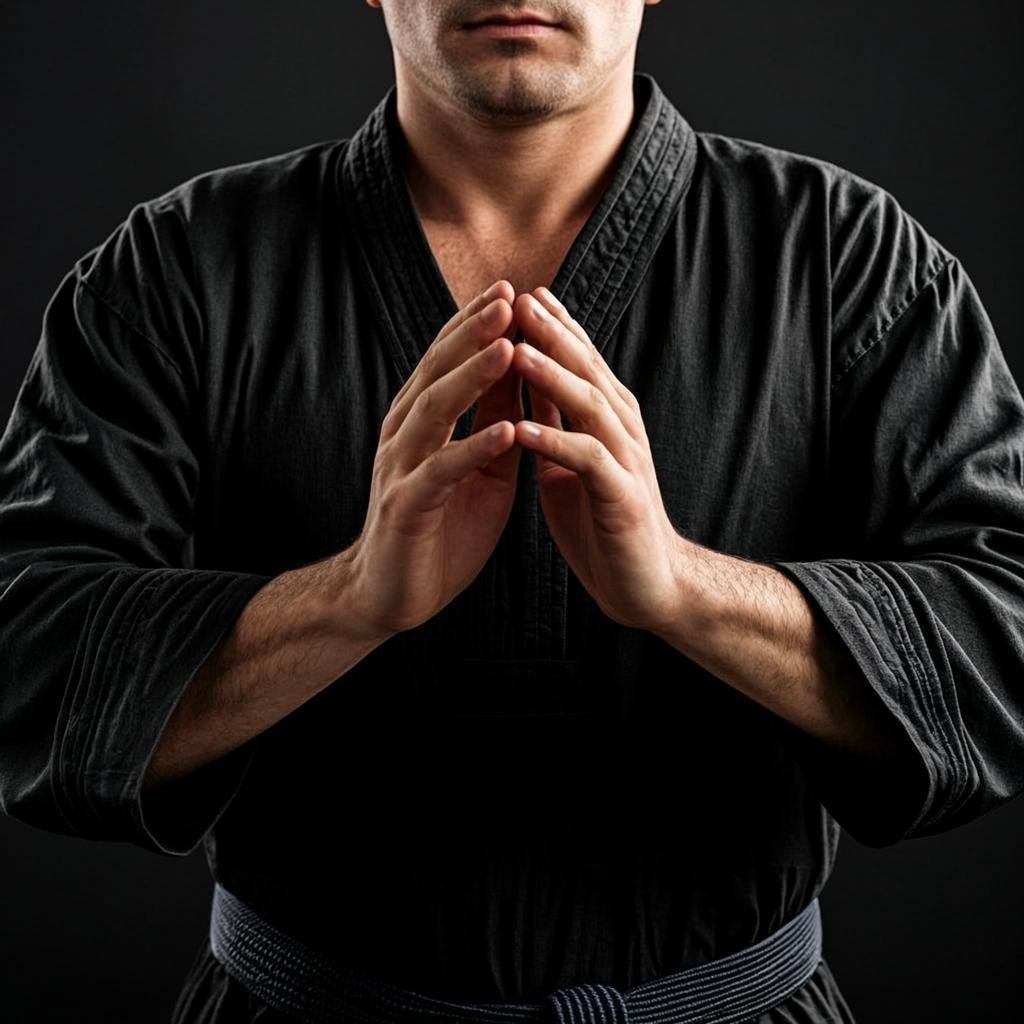
Traditional bunkai frequently assumes a karateka attacks another karateka in a controlled kumite scenario, a fundamental flaw limiting real-world self-defense efficacy. This artificial premise ignores the chaos and unpredictability of actual aggression.
The Core Problem: Artificial Attacks
The prevalent approach to bunkai analysis often starts with a specific, pre-defined attack executed by a fellow karate practitioner – a reverse punch, a front kick, a grab – which the defender then counters using a sequence from a kata. This methodology, while useful for understanding mechanics and flow, fundamentally misrepresents how violence typically unfolds. Real attackers don’t announce their intentions with perfect stances and telegraphed techniques. They grab, shove, push, swing wildly, or use weapons. Relying on bunkai designed for a compliant attacker practicing kumite creates a dangerous disconnect. This artificial framework is a shared criticism leveled at aikido as well, where cooperative ukemi practice can mask the harsh realities of physical confrontation.
Furthermore, natural human aggression rarely mirrors the refined, stanced attacks seen in dojo sparring. Fights erupt from ambushes, involve multiple attackers, occur on uneven terrain, or involve surprise strikes from unexpected angles. Bunkai rooted solely in defending against a fellow karateka’s lunge punch or front kick fails to address these critical variables, rendering much of the practice academically sound but practically deficient for genuine self-preservation.
Why It Matters: The Reality Gap
This gap between traditional bunkai practice and real-world application has significant consequences. Students may develop excellent technique within the dojo context but freeze or fail when faced with the unstructured violence of an actual assault. The reliance on predictable attacks doesn’t build the adaptability or tactical awareness necessary for survival. The original insight here is that bunkai’s traditional focus often inadvertently trains students for a controlled fight they won’t face, neglecting the chaos they actually might encounter. This flaw undermines the core purpose of martial arts training: effective self-defense.
Addressing this isn’t about discarding bunkai, but about evolving its application. Recognizing that natural attacks are often clumsy, close-range, and involve grabbing or pushing forces practitioners to interpret kata movements differently. Blocks become controlling limbs, strikes become counters off-balance, and stances become platforms for movement rather than static targets. This shift in perspective is crucial for bridging the reality gap and ensuring kata practice remains relevant to modern self-defense needs.
The Details: Beyond Kumite Assumptions
To move past flawed assumptions, practitioners must actively explore bunkai scenarios reflecting real violence. This means analyzing kata against:
- Uncommitted, aggressive pushes and shoves
- Grabbing attacks (clothes, hair, limbs)
- Close-range strikes (punches, elbows, headbutts)
- Weapon threats (blunt objects, edged weapons)
- Multiple attackers
- Ground fighting scenarios
- Surprise ambushes
This requires a mindset shift from “defending a punch” to “controlling space and disrupting an aggressor’s balance and intentions.” It demands pressure testing techniques against resistance and unpredictability, moving beyond cooperative partner drills. Resources like the Best BJJ Gi Guide highlight the importance of practical gear for realistic training, emphasizing that tools and methods must support functional application.
Ultimately, the goal is to make bunkai training dynamic, adaptable, and grounded in the messy realities of conflict. This means embracing the chaos and interpreting kata not as a rigid sequence against a known attack, but as a source of principles for handling unpredictable aggression. For more diverse perspectives, explore discussions in our Karate News section.
What’s Next: Evolving Bunkai Practice
The future of effective bunkai lies in integrating more realistic drills. Dojos should incorporate scenario-based training where attackers behave unpredictably, using forceful, non-standard attacks. Practitioners must learn to identify and exploit openings created by natural human aggression, not just textbook techniques. This evolution requires instructors to step outside traditional kumite parameters and emphasize functional application over perfect form in isolation.
Furthermore, cross-training disciplines known for realistic self-defense, like Krav Maga or Brazilian Jiu-Jitsu, can provide invaluable insights. While a quality karate gi is essential for practice, the mindset gained from varied training methods is even more crucial. The focus should shift from “winning the fight” to “surviving the encounter,” prioritizing evasion, de-escalation where possible, and overwhelming force only when absolutely necessary. This holistic approach ensures bunkai remains a vital tool for genuine self-protection in an unpredictable world.
Source: Original source
Related: Best BJJ Gi · More Karate News · Shop
TATSU WEAR covers martial arts because we live it. Explore Karate News
Source: Original source