

This mismatch between a school’s stated philosophy and its actual training methods is a common pitfall in martial arts. Students invest time and resources expecting specific skills, particularly self-defense, only to find the curriculum misaligned. For Taekwondo, this is particularly concerning given its reputation for powerful kicking. A school neglecting the development of that power through resistance training, or simultaneously teaching rules that negate fundamental striking techniques like punching, creates a false sense of capability.
Practical self-defense requires adaptable, powerful, and realistic training. Over-reliance on competition patterns under controlled conditions without live, unrestricted sparring and resistance-based power training fails to prepare students for unpredictable, high-stress real-world encounters. This inconsistency undermines the very purpose the school claims to serve. Original Insight: The true quality of a self-defense-focused TKD school is revealed not in its marketing, but in its commitment to training techniques against resistance and under conditions that simulate the chaos and rules of actual conflict, not the sanitized environment of a tournament.
The Details
The student, experienced in other martial arts, attended a club explicitly stating self-defense as its priority over competition. However, practical application training appears neglected. Sparring sessions occur infrequently, limited to twice monthly, and last only two one-minute rounds per session. Crucially, these sparring sessions are conducted under competition rules, which explicitly prohibit targeting the head with punches and discourage full-power striking. This directly contradicts the self-defense focus, as real confrontations rarely adhere to such restrictive rules.
Further inconsistency lies in the kicking curriculum. The student reports the absence of heavy bags or similar equipment essential for developing power, repetition, and realistic impact control in kicks. This omission hinders the development of effective, forceful techniques, a critical component of any credible self-defense system relying on TKD’s dynamic kicks.
The core conflict: a school branding itself “traditional” and self-defense oriented, while structuring its most active training around competition patterns and heavily restricting sparring rules that negate key self-defense tools like punching and full-power kicks.
Why It Matters
This mismatch between a school’s stated philosophy and its actual training methods is a common pitfall in martial arts. Students invest time and resources expecting specific skills, particularly self-defense, only to find the curriculum misaligned. For Taekwondo, this is particularly concerning given its reputation for powerful kicking. A school neglecting the development of that power through resistance training, or simultaneously teaching rules that negate fundamental striking techniques like punching, creates a false sense of capability.
Practical self-defense requires adaptable, powerful, and realistic training. Over-reliance on competition patterns under controlled conditions without live, unrestricted sparring and resistance-based power training fails to prepare students for unpredictable, high-stress real-world encounters. This inconsistency undermines the very purpose the school claims to serve. Original Insight: The true quality of a self-defense-focused TKD school is revealed not in its marketing, but in its commitment to training techniques against resistance and under conditions that simulate the chaos and rules of actual conflict, not the sanitized environment of a tournament.
The Details
- School Focus Advertised: Traditional Taekwondo emphasizing self-defense over competition.
- Student Experience: 8 months training; experienced in other martial arts.
- Sparring Frequency & Rules: Maximum twice monthly, two 1-minute rounds per session using competition rules (no head punches, restricted striking).
- Kicking Training: Lack of heavy bags or resistance equipment for power development.
- Core Conflict: Stated self-defense focus vs. actual training prioritizing competition patterns and rule-constrained sparring.
Source: Reddit Discussion on TKD School Focus
What’s Next
Prospective students should rigorously evaluate schools beyond marketing claims. Prioritize observing or participating in actual classes, specifically assessing sparring intensity, rule structures, and the availability of equipment for resistance training. Ask direct questions about how self-defense techniques are drilled and tested against resisting opponents. Explore alternatives that offer a more integrated approach, such as schools blending TKD with practical striking arts. For quality gear supporting your training, visit our shop. If exploring other martial arts with a strong practical focus, our guide on the Best BJJ Gi offers valuable insights. Stay informed on the broader martial arts landscape through our Taekwondo News section.
TATSU WEAR covers martial arts because we live it. Explore Taekwondo News
Source: Original source
Taekwondo News · 2023-10-27 · TATSU WEAR Editorial
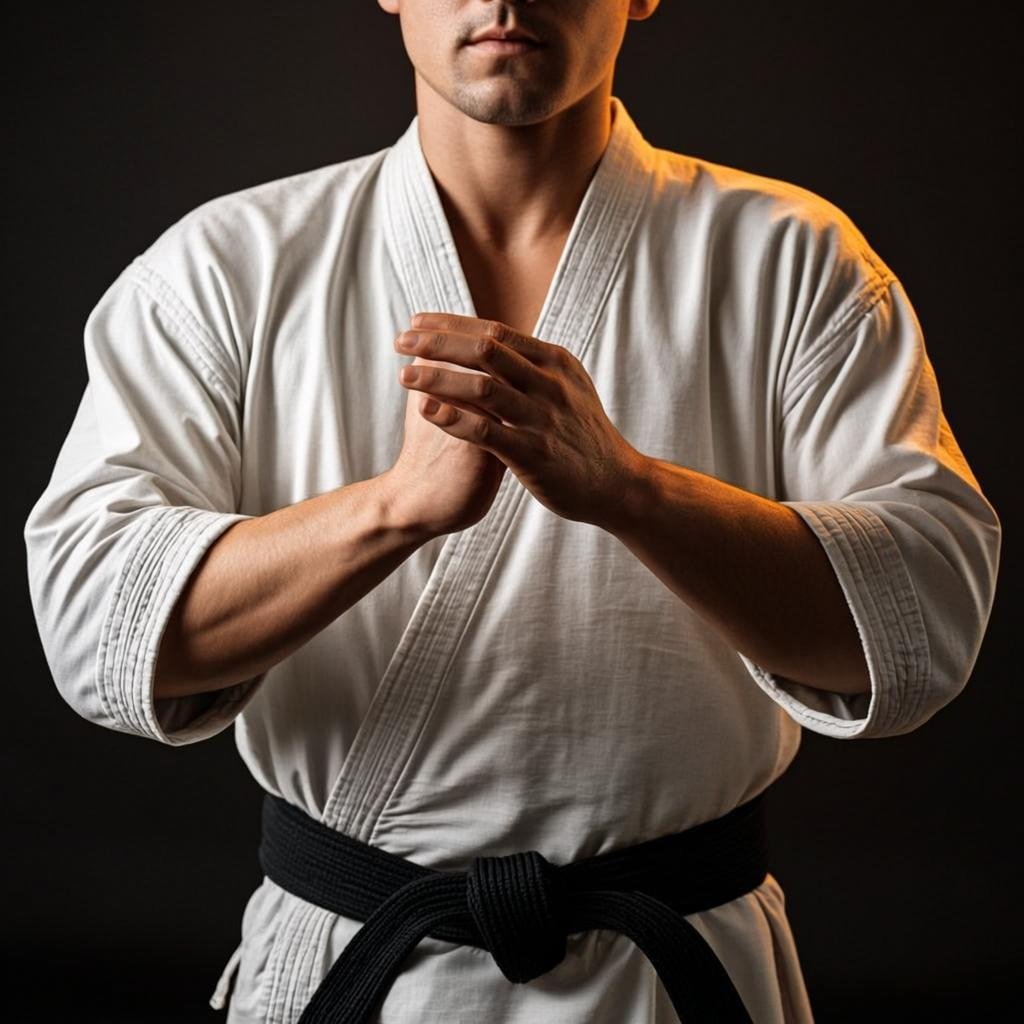
LEAD: A student training at a “traditional” Taekwondo club for eight months questions the school’s core message. Despite an advertised emphasis on self-defense, training heavily favors competition patterns with minimal, rule-constrained sparring and a significant lack of practical striking power development.
What Happened
The student, experienced in other martial arts, attended a club explicitly stating self-defense as its priority over competition. However, practical application training appears neglected. Sparring sessions occur infrequently, limited to twice monthly, and last only two one-minute rounds per session. Crucially, these sparring sessions are conducted under competition rules, which explicitly prohibit targeting the head with punches and discourage full-power striking. This directly contradicts the self-defense focus, as real confrontations rarely adhere to such restrictive rules.
Further inconsistency lies in the kicking curriculum. The student reports the absence of heavy bags or similar equipment essential for developing power, repetition, and realistic impact control in kicks. This omission hinders the development of effective, forceful techniques, a critical component of any credible self-defense system relying on TKD’s dynamic kicks.
The core conflict: a school branding itself “traditional” and self-defense oriented, while structuring its most active training around competition patterns and heavily restricting sparring rules that negate key self-defense tools like punching and full-power kicks.
Why It Matters
This mismatch between a school’s stated philosophy and its actual training methods is a common pitfall in martial arts. Students invest time and resources expecting specific skills, particularly self-defense, only to find the curriculum misaligned. For Taekwondo, this is particularly concerning given its reputation for powerful kicking. A school neglecting the development of that power through resistance training, or simultaneously teaching rules that negate fundamental striking techniques like punching, creates a false sense of capability.
Practical self-defense requires adaptable, powerful, and realistic training. Over-reliance on competition patterns under controlled conditions without live, unrestricted sparring and resistance-based power training fails to prepare students for unpredictable, high-stress real-world encounters. This inconsistency undermines the very purpose the school claims to serve. Original Insight: The true quality of a self-defense-focused TKD school is revealed not in its marketing, but in its commitment to training techniques against resistance and under conditions that simulate the chaos and rules of actual conflict, not the sanitized environment of a tournament.
The Details
- School Focus Advertised: Traditional Taekwondo emphasizing self-defense over competition.
- Student Experience: 8 months training; experienced in other martial arts.
- Sparring Frequency & Rules: Maximum twice monthly, two 1-minute rounds per session using competition rules (no head punches, restricted striking).
- Kicking Training: Lack of heavy bags or resistance equipment for power development.
- Core Conflict: Stated self-defense focus vs. actual training prioritizing competition patterns and rule-constrained sparring.
Source: Reddit Discussion on TKD School Focus
What’s Next
Prospective students should rigorously evaluate schools beyond marketing claims. Prioritize observing or participating in actual classes, specifically assessing sparring intensity, rule structures, and the availability of equipment for resistance training. Ask direct questions about how self-defense techniques are drilled and tested against resisting opponents. Explore alternatives that offer a more integrated approach, such as schools blending TKD with practical striking arts. For quality gear supporting your training, visit our shop. If exploring other martial arts with a strong practical focus, our guide on the Best BJJ Gi offers valuable insights. Stay informed on the broader martial arts landscape through our Taekwondo News section.
TATSU WEAR covers martial arts because we live it. Explore Taekwondo News
Source: Original source