

What’s Next
Livesey’s critique cuts to the heart of debates about BJJ’s evolution as a competitive sport versus its roots as a self-defense system. His call for Judo/Wrestling influences highlights concerns that modern BJJ training might overemphasize positional dominance and guard play at the expense of explosive athleticism, takedowns, and constant pressure. This perspective resonates with fighters and fans who crave more action-packed matches. Crucially, Livesey identifies leg locks as a potential enabler of passivity; banning them could inadvertently filter out practitioners relying solely on defensive leg entanglements, forcing a return to fundamental movement and proactive grappling – a necessary shift for BJJ’s relevance in the broader combat sports landscape.
The Details
- Source: Judo Veteran Owen Livesey
- Key Critique: BJJ training culture is “too lazy”
- Proposed Changes: Adopt Judo/Wrestling standards, implement no-leg-lock competition rules
- Goal: Increase entertainment value, develop more active competitors
- Context: Livesey’s experience facing UFC fighters at Polaris
What’s Next
Livesey’s comments add fuel to ongoing discussions within BJJ organizations about rule changes and training methodologies. Promoters and federations may consider experimenting with no-leg-lock formats or incorporating more takedowns to test the impact on match dynamics. Coaches and athletes face the challenge of balancing technical depth with the physical intensity Livesey champions. Whether his proposed changes gain traction remains to be seen, but the debate underscores a critical juncture for BJJ’s competitive future. Explore more Bjj News and Best BJJ Gi options for your training.
Source: Original source
Related: Best BJJ Gi · More Bjj News · Shop
TATSU WEAR covers martial arts because we live it. Explore Bjj News
Source: Original source
Bjj News · 2026-11-09 · TATSU WEAR Editorial
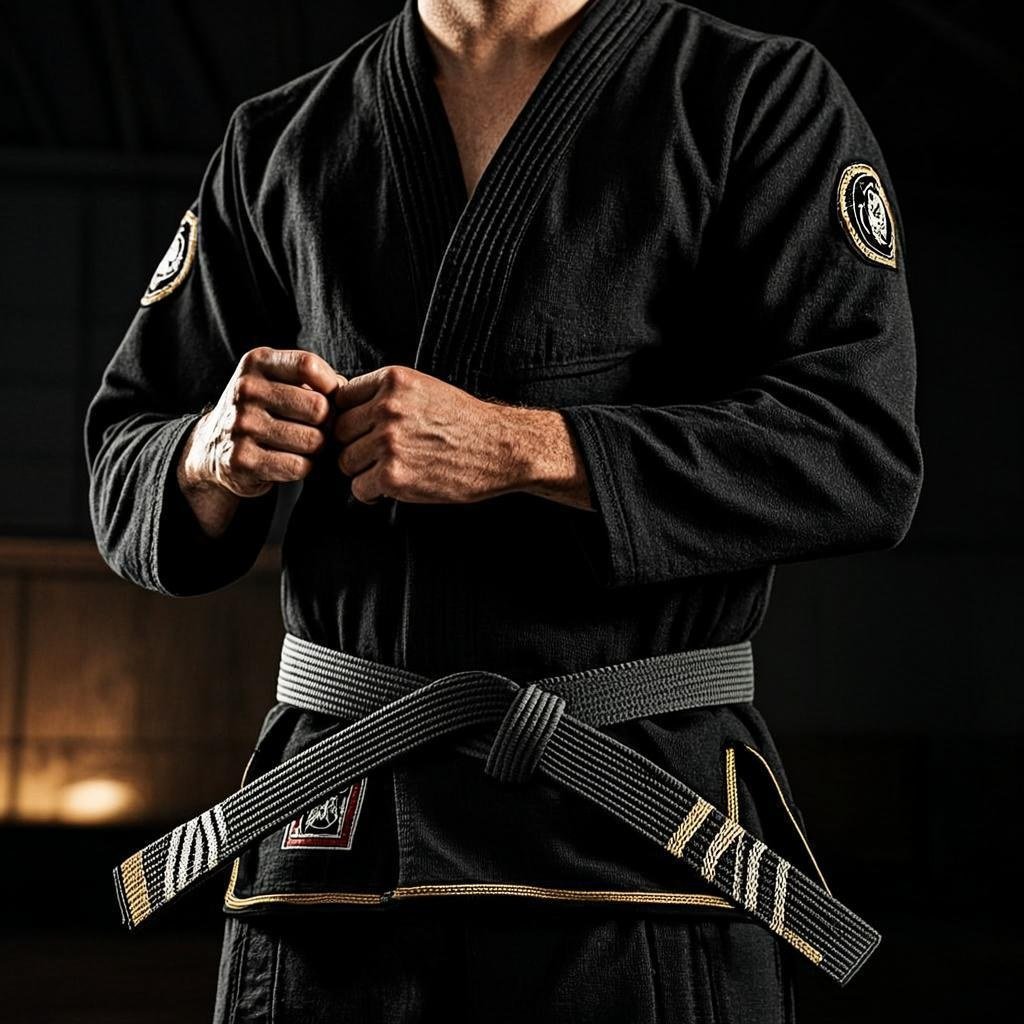
Judo veteran Owen Livesey delivers a sharp critique of modern BJJ, declaring its training culture “too lazy” and advocating for stricter standards borrowed from Judo and Wrestling. He specifically targets the sport’s work ethic and argues for competition rules banning leg locks to enhance entertainment value.
What Happened
Livesey, a decorated Judoka who has faced UFC fighters at events like Polaris, asserts that BJJ lacks the rigorous physical conditioning and active engagement seen in Judo and Wrestling. He contends that the prevalence of leg locks, while technically impressive, often leads to passive, defensive gameplay that fails to excite audiences or develop well-rounded fighters. His core argument is that adopting a no-leg-lock format would force greater movement and aggression, aligning BJJ competition more closely with the dynamic nature of MMA and making it more spectator-friendly.
Why It Matters
Livesey’s critique cuts to the heart of debates about BJJ’s evolution as a competitive sport versus its roots as a self-defense system. His call for Judo/Wrestling influences highlights concerns that modern BJJ training might overemphasize positional dominance and guard play at the expense of explosive athleticism, takedowns, and constant pressure. This perspective resonates with fighters and fans who crave more action-packed matches. Crucially, Livesey identifies leg locks as a potential enabler of passivity; banning them could inadvertently filter out practitioners relying solely on defensive leg entanglements, forcing a return to fundamental movement and proactive grappling – a necessary shift for BJJ’s relevance in the broader combat sports landscape.
The Details
- Source: Judo Veteran Owen Livesey
- Key Critique: BJJ training culture is “too lazy”
- Proposed Changes: Adopt Judo/Wrestling standards, implement no-leg-lock competition rules
- Goal: Increase entertainment value, develop more active competitors
- Context: Livesey’s experience facing UFC fighters at Polaris
What’s Next
Livesey’s comments add fuel to ongoing discussions within BJJ organizations about rule changes and training methodologies. Promoters and federations may consider experimenting with no-leg-lock formats or incorporating more takedowns to test the impact on match dynamics. Coaches and athletes face the challenge of balancing technical depth with the physical intensity Livesey champions. Whether his proposed changes gain traction remains to be seen, but the debate underscores a critical juncture for BJJ’s competitive future. Explore more Bjj News and Best BJJ Gi options for your training.
Source: Original source
Related: Best BJJ Gi · More Bjj News · Shop
TATSU WEAR covers martial arts because we live it. Explore Bjj News
Source: Original source