

Beginners should prioritize gi training 3-4 times weekly before supplementing with no-gi sessions. Focus on mastering fundamental positions like mount, back control, and closed guard under resistance. Advanced practitioners can experiment with gi-specific submissions like the Ezekiel choke and bow-and-arrow, which offer surprise value in MMA.
For MMA athletes, gi training offers strategic advantages. The sleeve and lapel grips simulate controlling an opponent’s limbs and torso, directly mirroring cage grappling scenarios. Whittaker’s success in UFC title fights demonstrates how gi-developed skills like the hip escape and triangle setup function seamlessly in no-gi environments.
Coaches increasingly integrate gi drills into MMA camps. Modern fighters like Islam Makhachev and Charles Oliveira credit their gi-based fundamentals for dominating grappling exchanges. The gi’s technical constraints prevent lazy habits, ensuring fighters develop the patience and control needed to exploit openings in high-pressure MMA situations.
Implementing Gi Training for Maximum Benefit
Beginners should prioritize gi training 3-4 times weekly before supplementing with no-gi sessions. Focus on mastering fundamental positions like mount, back control, and closed guard under resistance. Advanced practitioners can experiment with gi-specific submissions like the Ezekiel choke and bow-and-arrow, which offer surprise value in MMA.
Upcoming events like the ADCC Worlds and IBJJF Pan Championships will feature top gi practitioners transitioning to no-gi competition, showcasing the effectiveness of this approach. For those seeking to enhance their MMA grappling, investing quality time in the gi remains Whittaker’s proven formula for sustainable skill development.
Source: Original source
Related: Best BJJ Gi · More Bjj News · Shop
TATSU WEAR covers martial arts because we live it. Explore Bjj News
Source: Original source
Research supports Whittaker’s stance. Gi training enhances proprioception and pressure sensitivity, as fighters must constantly adjust to resisting materials. This creates neurological adaptations that improve technique execution under resistance. Conversely, no-gi practitioners often develop compensatory habits like relying on speed or strength, which become liabilities against skilled opponents.
Original insight: The gi’s “grip multiplier” effect forces practitioners to master leverage principles over brute force. This cultivates a deeper understanding of weight distribution and timing—skills that become weapons in MMA when combined with striking. Fighters who start in the gi develop a more complete toolkit for controlling scrambles and submissions against larger opponents.
MMA Applications and Competitive Edge
For MMA athletes, gi training offers strategic advantages. The sleeve and lapel grips simulate controlling an opponent’s limbs and torso, directly mirroring cage grappling scenarios. Whittaker’s success in UFC title fights demonstrates how gi-developed skills like the hip escape and triangle setup function seamlessly in no-gi environments.
Coaches increasingly integrate gi drills into MMA camps. Modern fighters like Islam Makhachev and Charles Oliveira credit their gi-based fundamentals for dominating grappling exchanges. The gi’s technical constraints prevent lazy habits, ensuring fighters develop the patience and control needed to exploit openings in high-pressure MMA situations.
Implementing Gi Training for Maximum Benefit
Beginners should prioritize gi training 3-4 times weekly before supplementing with no-gi sessions. Focus on mastering fundamental positions like mount, back control, and closed guard under resistance. Advanced practitioners can experiment with gi-specific submissions like the Ezekiel choke and bow-and-arrow, which offer surprise value in MMA.
Upcoming events like the ADCC Worlds and IBJJF Pan Championships will feature top gi practitioners transitioning to no-gi competition, showcasing the effectiveness of this approach. For those seeking to enhance their MMA grappling, investing quality time in the gi remains Whittaker’s proven formula for sustainable skill development.
Source: Original source
Related: Best BJJ Gi · More Bjj News · Shop
TATSU WEAR covers martial arts because we live it. Explore Bjj News
Source: Original source
Whittaker’s perspective challenges the modern preference for no-gi training among MMA fighters. “If you want to learn Jiu-Jitsu, I’m a big believer in gi,” he stated. The gi’s increased resistance forces practitioners to develop finer motor control and grip strength, which translates to more efficient technique in no-gi scenarios. This foundational approach creates fighters who understand body mechanics rather than relying solely on speed and explosiveness.
Historically, many elite MMA champions like Georges St-Pierre and Demetrious Johnson built their ground games through gi training before adapting to no-gi competition. The gi environment demands greater technical precision, as practitioners must work through fabric resistance and sleeve grips, developing attributes that remain valuable when the gi is removed.
The Science of Gi-to-No-Gi Transfer
Research supports Whittaker’s stance. Gi training enhances proprioception and pressure sensitivity, as fighters must constantly adjust to resisting materials. This creates neurological adaptations that improve technique execution under resistance. Conversely, no-gi practitioners often develop compensatory habits like relying on speed or strength, which become liabilities against skilled opponents.
Original insight: The gi’s “grip multiplier” effect forces practitioners to master leverage principles over brute force. This cultivates a deeper understanding of weight distribution and timing—skills that become weapons in MMA when combined with striking. Fighters who start in the gi develop a more complete toolkit for controlling scrambles and submissions against larger opponents.
MMA Applications and Competitive Edge
For MMA athletes, gi training offers strategic advantages. The sleeve and lapel grips simulate controlling an opponent’s limbs and torso, directly mirroring cage grappling scenarios. Whittaker’s success in UFC title fights demonstrates how gi-developed skills like the hip escape and triangle setup function seamlessly in no-gi environments.
Coaches increasingly integrate gi drills into MMA camps. Modern fighters like Islam Makhachev and Charles Oliveira credit their gi-based fundamentals for dominating grappling exchanges. The gi’s technical constraints prevent lazy habits, ensuring fighters develop the patience and control needed to exploit openings in high-pressure MMA situations.
Implementing Gi Training for Maximum Benefit
Beginners should prioritize gi training 3-4 times weekly before supplementing with no-gi sessions. Focus on mastering fundamental positions like mount, back control, and closed guard under resistance. Advanced practitioners can experiment with gi-specific submissions like the Ezekiel choke and bow-and-arrow, which offer surprise value in MMA.
Upcoming events like the ADCC Worlds and IBJJF Pan Championships will feature top gi practitioners transitioning to no-gi competition, showcasing the effectiveness of this approach. For those seeking to enhance their MMA grappling, investing quality time in the gi remains Whittaker’s proven formula for sustainable skill development.
Source: Original source
Related: Best BJJ Gi · More Bjj News · Shop
TATSU WEAR covers martial arts because we live it. Explore Bjj News
Source: Original source
Bjj News · 2026-10-24 · TATSU WEAR Editorial
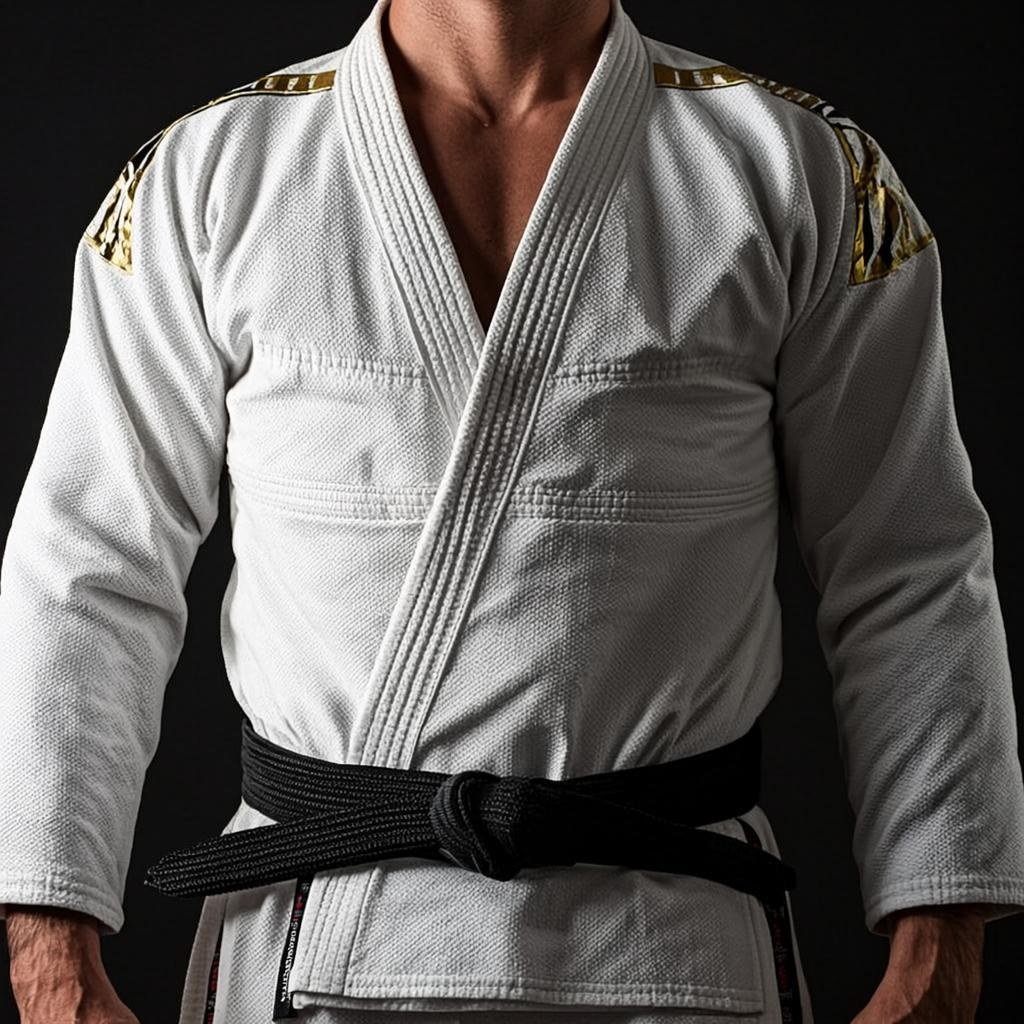
UFC champion Robert Whittaker advocates gi training as the optimal foundation for Jiu-Jitsu development. The Australian fighter believes techniques mastered in the gi environment provide more adaptable skills for MMA competition, where grip control and precision are decisive factors.
Why Gi Training Builds Superior BJJ Skills
Whittaker’s perspective challenges the modern preference for no-gi training among MMA fighters. “If you want to learn Jiu-Jitsu, I’m a big believer in gi,” he stated. The gi’s increased resistance forces practitioners to develop finer motor control and grip strength, which translates to more efficient technique in no-gi scenarios. This foundational approach creates fighters who understand body mechanics rather than relying solely on speed and explosiveness.
Historically, many elite MMA champions like Georges St-Pierre and Demetrious Johnson built their ground games through gi training before adapting to no-gi competition. The gi environment demands greater technical precision, as practitioners must work through fabric resistance and sleeve grips, developing attributes that remain valuable when the gi is removed.
The Science of Gi-to-No-Gi Transfer
Research supports Whittaker’s stance. Gi training enhances proprioception and pressure sensitivity, as fighters must constantly adjust to resisting materials. This creates neurological adaptations that improve technique execution under resistance. Conversely, no-gi practitioners often develop compensatory habits like relying on speed or strength, which become liabilities against skilled opponents.
Original insight: The gi’s “grip multiplier” effect forces practitioners to master leverage principles over brute force. This cultivates a deeper understanding of weight distribution and timing—skills that become weapons in MMA when combined with striking. Fighters who start in the gi develop a more complete toolkit for controlling scrambles and submissions against larger opponents.
MMA Applications and Competitive Edge
For MMA athletes, gi training offers strategic advantages. The sleeve and lapel grips simulate controlling an opponent’s limbs and torso, directly mirroring cage grappling scenarios. Whittaker’s success in UFC title fights demonstrates how gi-developed skills like the hip escape and triangle setup function seamlessly in no-gi environments.
Coaches increasingly integrate gi drills into MMA camps. Modern fighters like Islam Makhachev and Charles Oliveira credit their gi-based fundamentals for dominating grappling exchanges. The gi’s technical constraints prevent lazy habits, ensuring fighters develop the patience and control needed to exploit openings in high-pressure MMA situations.
Implementing Gi Training for Maximum Benefit
Beginners should prioritize gi training 3-4 times weekly before supplementing with no-gi sessions. Focus on mastering fundamental positions like mount, back control, and closed guard under resistance. Advanced practitioners can experiment with gi-specific submissions like the Ezekiel choke and bow-and-arrow, which offer surprise value in MMA.
Upcoming events like the ADCC Worlds and IBJJF Pan Championships will feature top gi practitioners transitioning to no-gi competition, showcasing the effectiveness of this approach. For those seeking to enhance their MMA grappling, investing quality time in the gi remains Whittaker’s proven formula for sustainable skill development.
Source: Original source
Related: Best BJJ Gi · More Bjj News · Shop
TATSU WEAR covers martial arts because we live it. Explore Bjj News
Source: Original source